

Regarding workplace safety, the type of fabric used in protective clothing can make all the difference. Safety wear fabric, sometimes called protective clothing fabric, is precisely engineered to shield workers from hazards such as fire, chemicals, extreme weather, and other potentially dangerous environments. From flame-resistant materials to high-visibility textiles, safety wear fabric is a cornerstone of occupational safety in industries ranging from firefighting and construction to oil and gas, manufacturing, and more.
In this comprehensive blog post, we’ll delve into everything you need to know about safety wear fabric: what it is, how it’s made, its various types and features, and why choosing the right fabric is essential for any high-risk occupation. We’ll also explore common standards, best practices, and care tips to help you understand and maintain your protective gear better. Finally, we’ll wrap up with frequently asked questions (FAQs), a set of suggested keywords, and a meta description to help improve your website’s Google ranking.
1. Defining Safety Wear Fabric
Safety wear fabric is a broad term for textiles engineered, treated, or otherwise modified to protect the wearer from specific environmental or occupational hazards. These hazards might include high heat, open flames, electrical arcs, toxic chemicals, sharp objects, or inclement weather conditions. Unlike ordinary fabrics primarily focusing on comfort and style, safety wear fabrics prioritize durability, functionality, and compliance with stringent safety regulations.
Manufacturers often combine traditional materials like cotton or polyester with specialized coatings, fibers, or treatments—such as flame-retardant chemicals or reflective tapes—to make the final product resistant to the specified hazard. Depending on the industry, these fabrics can provide one or more layers of protection: thermal insulation, chemical repellency, high visibility, cut resistance, or antistatic properties.
2. Why Safety Wear Fabric Matters
In high-risk industries, accidents, and hazards are part of daily operations. Whether it’s a construction site with potential fall hazards or an oil rig where workers are exposed to flammable substances, failing to use the proper protective clothing can lead to severe injuries or fatalities. The choice of fabric isn’t just about meeting regulatory standards; it directly impacts:
- Worker Safety and Health
Proper fabrics can significantly reduce the risk of burns, chemical exposure, cuts, and other injuries. - Regulatory Compliance
Many industries are bound by laws and regulations requiring employers to provide Personal Protective Equipment (PPE) that meets specific standards. - Comfort and Mobility
Although safety is paramount, workers still need to move efficiently. The fabric should balance protection with breathability and flexibility. - Cost-Effectiveness
High-quality, durable fabrics can withstand harsh conditions and repeated washing, potentially saving costs in the long run.
3. Key Characteristics of Quality Safety Wear Fabrics
Not all protective textiles are created equal. The following are some key characteristics to look for:
- Durability
Safety wear fabric should resist wear and tear, especially in rough industrial environments. - Protective Properties
Depending on the application, the fabric might need to be flame-resistant, chemical-resistant, cut-resistant, or bullet-resistant. - Breathability
Overly thick or non-porous materials can cause discomfort and overheating. Breathable fabrics allow for air circulation and moisture management. - Wash and Care Stability
Frequent washing is done every day in industrial settings to remove contaminants. The fabric’s protective qualities and fit should remain intact after many wash cycles. - Flexibility
Workers need to move and bend freely. Fabrics with some elasticity or lighter weight are often preferred. - Antistatic or Conductive Properties
Static sparks can be a significant hazard in environments with flammable gases or liquids. Certain fabrics are designed to dissipate static electricity.
4. Types of Safety Wear Fabric
4.1 Flame-Resistant (FR) Fabrics
Flame-resistant fabrics are designed to self-extinguish once the ignition source is removed. They are often used in environments where workers face exposure to flames or high heat, such as welding, firefighting, or oil and gas operations. Popular FR materials include:
- Aramid Fibers (e.g., Nomex, Kevlar): Known for high heat resistance and durability.
- Modacrylic Blends: Lightweight, inherently flame-retardant, and often combined with other fibers for comfort.
- Treated Cotton: Cotton fabrics can be chemically treated to gain flame-resistant properties.
4.2 High-Visibility Fabrics
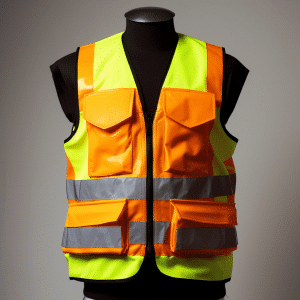
High-visibility (Hi-Vis) fabrics feature bright colors (often neon yellow, orange, or green) and reflective strips to make the wearer highly visible in low-light conditions. These are crucial for roadside construction, airport ground crew, and other environments where workers must be seen. Key characteristics include:
- Bright, Fluorescent Colors: Helps to stand out during the day.
- Reflective Tape or Strips: Aids visibility at night or in poor weather conditions.
- Durability: Must withstand repeated washings while maintaining reflectivity.
4.3 Antistatic Fabrics
Antistatic fabrics are engineered to prevent the build-up of static electricity, which can be dangerous in environments with flammable gases or dust. They often incorporate conductive fibers, such as carbon or metal threads, woven into the fabric. Typical uses include:
- Electronics Manufacturing: Prevents electrostatic discharge (ESD) from damaging sensitive components.
- Oil and Gas: Minimizes the risk of sparks causing fires or explosions.
4.4 Chemical-Resistant Fabrics
Chemical-resistant fabrics are crucial in laboratories, chemical plants, or pesticide application environments. These textiles are treated or made from materials that repel or resist penetration by harmful chemicals. Common types include:
- Polyethylene-Based Laminates: Often used in disposable hazmat suits for short-term, single-use protection.
- Polypropylene Blends: Lightweight and breathable options for lower-level chemical splash protection.
- PVC or Neoprene Coatings: Provide higher-level chemical and liquid penetration resistance, often used in more hazardous industrial settings.
4.5 Waterproof and Breathable Fabrics
Waterproof and breathable fabrics are indispensable when workers are exposed to rain, snow, or other wet conditions for extended periods. Such fabrics are often made by layering or laminating materials like Gore-Tex or other microporous membranes, which block water droplets while allowing air and moisture vapor to pass through. Typical applications include:
- Outdoor Construction and Utility Work: Keeps workers dry, reducing the risk of hypothermia.
- Emergency Services: Ensures responders remain functional and comfortable in adverse weather conditions.
5. Industry Standards and Certifications
Various international standards and certifications exist to ensure safety wear fabrics meet certain criteria. Some of the most recognized include:
- NFPA (National Fire Protection Association): NFPA 2112 for flame-resistant garments and NFPA 70E for arc flash protection.
- EN (European Norm): EN 469 for firefighting protective clothing, EN ISO 11611 for welding, EN ISO 20471 for high-visibility, etc.
- ASTM (American Society for Testing and Materials): Numerous standards for flame resistance, chemical resistance, and overall textile performance.
- ISO (International Organization for Standardization): A wide range of protective clothing testing and performance standards.
Compliance with these standards is often legally mandated in specific industries, making it critical for employers to select tested and certified fabrics.
6. How to Choose the Right Safety Wear Fabric
Selecting the best safety wear fabric can be a complex task, as it depends on numerous factors:
- Identify the Primary Hazard
Is it fire, chemical exposure, low visibility, or a combination? Different fabrics offer different protections, so define your primary hazards and choose fabrics accordingly. - Evaluate the Work Environment
Consider the job site’s climate and conditions: Are workers frequently exposed to moisture, extreme heat, or abrasive materials? - Check Compliance Requirements
Research local or industry-specific regulations. Some occupations require certifications like NFPA 2112 for flame-resistant wear or EN ISO 20471 for high visibility. - Assess Comfort Needs
Employees will be wearing this gear daily, possibly for extended shifts. Uncomfortable fabrics can lead to decreased compliance and increased risk. - Budget and Durability
High-end safety wear fabrics can be more expensive initially but may result in long-term cost savings due to their durability and lower replacement rate. - Supplier Credibility
Work with reputable manufacturers and suppliers with a proven quality control and certification compliance track record.
7. Caring for Your Safety Wear
Proper maintenance extends the functional life of safety wear and ensures that its protective qualities remain effective:
- Follow Manufacturer Guidelines: Each fabric may have specific washing temperatures, detergent recommendations, and drying instructions.
- Regular Inspections: Check for tears, thinning, or damage. Even minor wear can compromise protective capabilities.
- Separate Laundering: Wash safety wear separately from regular clothing to avoid cross-contamination with chemicals or flammable substances.
- Repair or Replace Promptly: If you notice damage or loss of protective features—like worn-out reflective strips—repair or replace the garment immediately.
8. Innovations in Safety Wear Fabric
As technology evolves, safety wear fabrics become more effective and comfortable. Recent innovations include:
- Smart Textiles
Some fabrics now incorporate sensors that monitor variables like temperature, heart rate, or chemical exposure. This information is sent to a central system for real-time worker safety monitoring. - Phase-Change Materials (PCMs)
Fabric PCMs help regulate body temperature in extreme conditions by absorbing, storing, or releasing heat. - Graphene-Infused Fibers
Graphene can enhance strength, conductivity, and even antibacterial properties. This could lead to lighter, stronger, and more versatile protective clothing. - Eco-Friendly Approaches
Growing consumer and corporate interest in sustainability pushes manufacturers to develop protective fabrics using recycled materials or less harmful chemical treatments.
9. Frequently Asked Questions (FAQ)
Q1: How often should I replace my safety wear?
Answer: The lifespan of safety wear depends on factors like frequency of use, the nature of the hazard, and how well the garment is maintained. Please check your gear regularly for wear, damage, or reduced functionality. When in doubt, consult the manufacturer’s guidelines or replace the garment to ensure maximum protection.
Q2: Can one fabric provide multiple types of protection, like flame resistance and high visibility?
Answer: Yes. Many manufacturers produce multifunctional safety wear fabrics that combine different features, such as flame resistance, antistatic properties, and high-visibility elements. Check the labels and certifications to ensure the garment meets all required standards.
Q3: Is treated cotton as effective as inherently flame-resistant fibers like Nomex?
Answer: If not correctly maintained, treated cotton can offer good flame-resistant properties but may lose effectiveness, especially with repeated washing. Inherently flame-resistant fibers retain their protective qualities throughout the garment’s lifespan. The choice often comes down to the work environment, budget, and specific performance requirements.
Q4: How do I know if my safety wear fabric meets regulatory standards?
Answer: Look for labels and certifications from recognized organizations such as NFPA, EN, or ISO. The garment should also have documentation or test reports confirming compliance with relevant standards.
Q5: Do waterproof safety wear fabrics also provide breathability?
Answer: Modern waterproof-breathable fabrics often include microporous membranes or coatings that allow water vapor to escape while keeping liquid water out. They offer both protection from the elements and a measure of comfort. However, the level of breathability may vary among brands and fabric technologies.
Q6: How important is a garment fit for safety wear?
Answer: Fit is crucial. Even the best fabric won’t protect effectively if the garment doesn’t fit properly. A loose fit may cause snag hazards, while a tight fit can restrict movement or tear under stress.
Q7: Can safety wear fabrics lose their protective properties over time?
Answer: Absolutely. Factors like abrasion, laundering, exposure to UV light, and incorrect care can degrade protective treatments or fibers. Regular inspection and following proper care guidelines can help extend the garment’s lifespan.
Conclusion
Safety wear fabric is more than just a layer of cloth; it’s a lifesaving barrier between workers and workplace hazards. From flame-resistant to chemical-resistant and high-visibility to waterproof solutions, there’s a wide variety of fabrics designed to meet the stringent demands of different industries. Understanding the specific protections each type of fabric offers—and ensuring compliance with relevant standards—can make a profound difference in safeguarding employees’ well-being. As technology continues to evolve, innovations in fabric engineering promise even more advanced and comfortable safety solutions. By focusing on the key characteristics, maintenance requirements, and proper certifications, you’ll be well-equipped to select and care for safety wear that truly protects.