
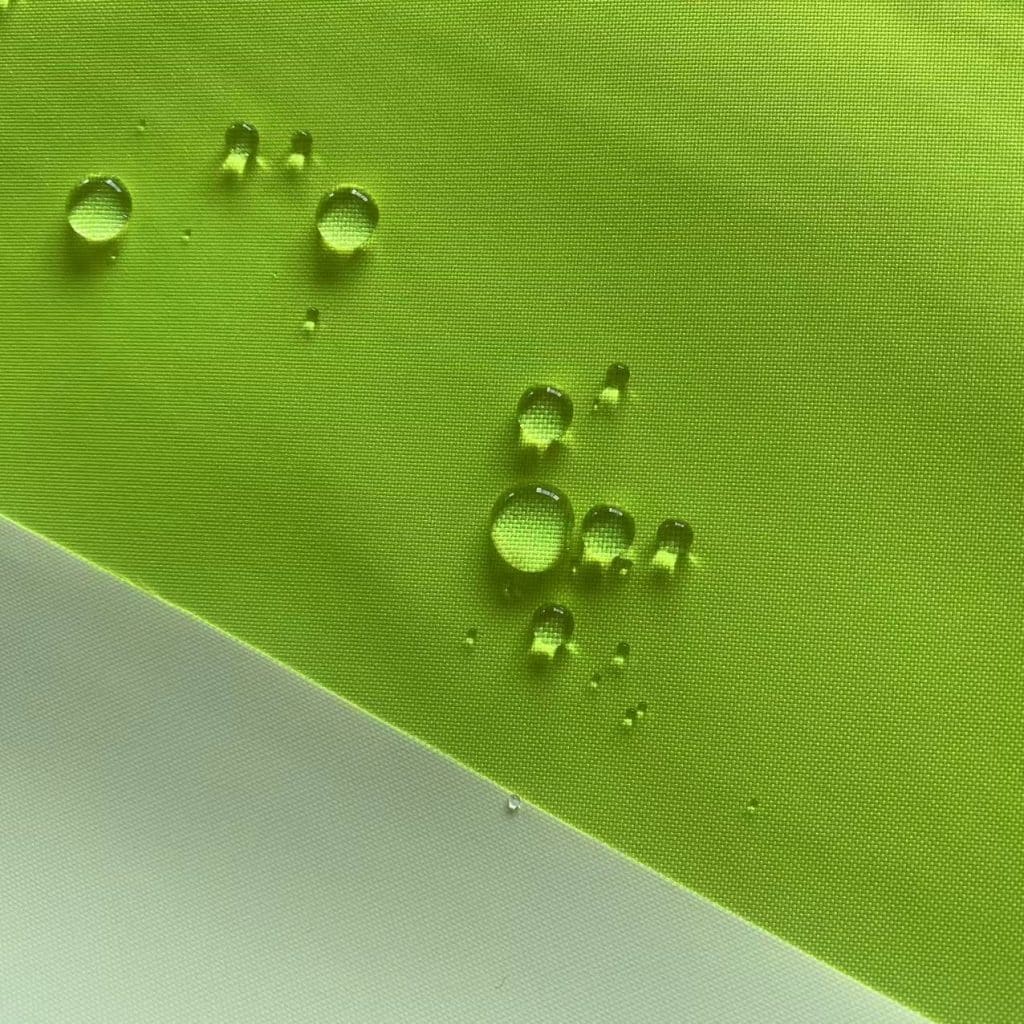
When safeguarding workers in high-risk environments, selecting the correct safety wear fabric can make all the difference. Among the various textiles available on the market, Oxford fabric is a popular choice for safety wear due to its durability, versatility, and affordability. Oxford fabric has become a go-to option for manufacturers, employers, and safety managers, from high-visibility vests on construction sites to flame-retardant protective gear in industrial settings.
In this comprehensive article, we will delve deep into the world of Oxford fabric, focusing on its structure, key benefits for safety applications, and the most common types used in protective garments. We will also cover essential maintenance tips, explore how innovations shape the future of Oxford fabric, and answer frequently asked questions. Whether you’re a safety wear distributor, a company sourcing protective clothing, or an individual just curious about the fabric’s importance, this guide will help you understand why Oxford fabric for safety wear remains a leading choice in the industry.
1. What Is Oxford Fabric?
Oxford fabric originated as a style of woven cloth used historically in shirts but has evolved significantly over time and is now produced in various fibers and blends for numerous applications. In its most common form, Oxford fabric is a basketweave or plain-weave material typically made from polyester, nylon, or a mix of both. The hallmark characteristic of an Oxford weave is that it creates a textured, durable surface, making it more resistant to abrasion and wear.
Today, you’ll find Oxford fabric in everything from casual clothing to luggage and—most importantly—safety wear. Its robust structure supports additional coatings or treatments, allowing manufacturers to produce fabrics that resist water, flames, chemicals, and more. This versatility sets Oxford fabric apart from other textile options in the safety wear market.
2. Why Oxford Fabric Is Ideal for Safety Wear
Manufacturers and safety managers need fabrics that balance protection, comfort, and durability when designing or selecting safety wear. Oxford Fabric excels in these areas:
- High Durability
Oxford fabric is known for its excellent tensile strength and tear resistance, which are essential for garments exposed to harsh conditions or heavy usage. In safety wear, durability translates to fewer replacements and lower long-term costs. - Ease of Treatment
The structure of Oxford fabric lends itself well to additional treatments like waterproof coatings, flame-retardant chemicals, and anti-static finishes. This makes it highly adaptable to various safety requirements across industries. - Affordability
Compared to some specialty fabrics, Oxford is relatively cost-effective. This balance of performance and price is attractive to businesses aiming to provide quality PPE (Personal Protective Equipment) without exceeding their budgets. - Comfort and Flexibility
Modern weaves and finishing processes can make Oxford fabric more breathable, ensuring workers remain comfortable even in physically demanding tasks. Oxford fabrics can offer protection and ease of movement when paired with the right garment design. - Easy Maintenance
Many Oxford fabrics adhere to repeated washing and exposure to harsh cleaning agents, which is crucial for garments that may accumulate grime, chemicals, or biohazards.
3. Common Types of Oxford Fabric Used in Safety Wear
Oxford fabric can be categorized based on fiber composition, weave density, and finishes. Below are the most common variants found in safety wear:
- Polyester Oxford
- Features: Lightweight, highly tear-resistant, affordable.
- Use Cases: Often used in reflective vests, rainwear, and jackets needing waterproof or water-resistant coatings.
- Nylon Oxford
- Features: Exceptional strength-to-weight ratio, good abrasion resistance.
- Use Cases: Ideal for more demanding environments like firefighting gear (when treated for flame resistance) or high-end protective clothing requiring durability under stress.
- Blended Oxford (Polyester-Nylon Mix)
- Features: Combines the cost-effectiveness of polyester with the strength and abrasion resistance of nylon.
- Use Cases: Offers a middle-ground solution for companies seeking moderately priced yet durable gear.
- Denier Variations
- Overview: Oxford fabric is often classified by denier (D), which measures fiber thickness. Common ratings include 300D, 600D, and 1200D. A higher denier typically means thicker, tougher fabric.
- Use Cases: Lower denier fabrics may be used for lighter tasks, while higher deniers are more suitable for heavy-duty applications such as industrial coveralls or protective jackets.
4. Key Features and Treatments for Enhanced Protection
4.1 Water Resistance or Waterproof Coating
A waterproof or water-resistant coating is one of the most common treatments for Oxford safety wear. Standard coatings include PU (Polyurethane) or PVC (Polyvinyl Chloride). These coatings:
- Prevent water from penetrating the fabric
- Maintain breathability in some advanced formulations
- Provide additional durability against abrasion
4.2 Flame-Retardant (FR) Treatment
Adding flame-retardant chemicals to Oxford fabric is critical for industries like oil and gas, welding, or firefighting. FR-treated Oxford can self-extinguish or resist ignition when exposed to heat sources, reducing the risk of severe burns or injuries. Compliance with relevant standards like NFPA 2112 (for flash fires) or EN ISO 11612 (for heat and flame) is essential.
4.3 High-Visibility Finishes
Many safety garments need to ensure workers are visible in low-light conditions. In addition to vibrant colors like fluorescent yellow, orange, or green, reflective strips or coatings can be applied to Oxford fabric to meet standards like EN ISO 20471 for high-visibility clothing.
4.4 Chemical Resistance
For chemical handling or laboratory tasks, chemical-resistant finishes help prevent penetration of hazardous substances, offering an extra layer of defense for the wearer. These garments are often paired with additional PPE like gloves and face shields.
4.5 Anti-Static Properties
In industries where electrostatic discharge (ESD) is a concern—such as electronics manufacturing or potentially explosive environments—Oxford fabric can be woven or treated with conductive fibers to disperse static electricity safely.
5. Applications of Oxford Fabric in Safety Garments
Oxford fabric is used in a wide range of protective garments:
- Reflective Safety Vests
High-visibility vests designed for road construction, traffic control, or airport ground crews often use lightweight 300D Oxford for its combination of visibility, comfort, and durability. - Work Jackets and Coveralls
Heavier 600D or 1200D Oxford is popular for coveralls in construction, mining, and oil and gas industries. These garments often have water- or flame-resistant properties. - Rainwear and Protective Coats
Waterproof Oxford coats and jackets are a staple in any wet or storm-prone environment, from utility workers to emergency responders. - Protective Aprons and Gaiters
In chemical plants or industrial kitchens, chemical-resistant Oxford aprons and gaiters offer extra protection against spills and splashes. - Outdoor and Adventure Gear
Although not always considered “safety wear,” backpack straps, tents, and hunting vests use Oxford fabric for durability and water resistance, indirectly enhancing user safety in the great outdoors.
6. Caring for Oxford Fabric: Maintenance and Longevity
Proper maintenance is vital for preserving the protective features of Oxford fabric. Here are some best practices:
- Follow Manufacturer Instructions
Different coatings and treatments require specific washing temperatures, detergents, and drying methods. - Use Mild Detergents
Harsh chemicals can degrade waterproof or flame-retardant finishes. Opt for pH-neutral or mild soaps. - Avoid Fabric Softeners
Fabric softeners can clog the pores of waterproof membranes or strip FR chemicals, reducing efficacy. - Inspect Regularly
Routinely check for tears, loose stitching, or worn-out reflective strips. Promptly repair or replace damaged garments to maintain safety standards. - Store Properly
Keep Oxford garments in a cool, dry area away from direct sunlight, which can degrade UV-sensitive coatings.
7. Future Innovations in Oxford Fabric
As industries evolve and safety regulations become more stringent, research and development in textile manufacturing continue to advance. Some emerging innovations in Oxford fabric include:
- Eco-Friendly Coatings
Manufacturers are increasingly exploring water-based or bio-based coatings to reduce environmental impact without compromising performance. - Nanotechnology
Embedding nanoparticles within Oxford fabric can enhance properties like moisture-wicking, anti-bacterial, and even self-cleaning capabilities. - Smart Fabrics
Researchers are developing smart Oxford textiles that can detect temperature changes and chemical leaks or even measure heart rate, sending real-time data to a central monitoring system for safety oversight. - Hybrid Weaves
Blending Oxford structure with cut-resistant or ballistic fibers could create next-generation protective clothing suitable for extreme industrial environments.
These innovations improve safety and can reduce costs and improve comfort, driving the future of safety wear fabric forward.
8. Frequently Asked Questions (FAQ)
1. Is Oxford fabric the same as Cordura or Ripstop?
Answer: No. While all three can be used for durable applications, Oxford uses a particular basketweave or plain-weave structure. Cordura is known for its abrasion resistance and usually refers to branded nylon fabrics. Ripstop has a cross-hatch pattern of thicker threads designed to stop tears from spreading.
2. Can I use standard laundry detergents for Oxford safety garments?
Answer: In most cases, mild detergents are safe for Oxford fabrics. However, strong chemicals or fabric softeners might degrade water-repellent or flame-retardant finishes. Always check the manufacturer’s care label.
3. How do I know if my Oxford fabric is truly flame-retardant?
Answer: Look for certifications such as NFPA 2112 or EN ISO 11612. Garment labels and product documentation should explicitly state the type of FR finish and its compliance with relevant safety standards.
4. Is a higher denier always better for safety wear?
Answer: Not necessarily. A higher denier typically offers more durability and abrasion resistance but can also be heavier and less breathable. The choice depends on the work environment’s specific risks and the end-user’s comfort requirements.
5. Can Oxford fabric lose its protective properties over time?
Answer: Yes. Protective treatments like FR, waterproof, or chemical-resistant coatings can wear off due to repeated washing, abrasion, and sunlight exposure. Regular inspections and proper care are key to maintaining performance.
Conclusion
Oxford fabric has earned its reputation as a reliable, versatile choice for safety wear in various industries. From its robust woven structure and adaptability to specialized treatments like waterproofing and flame-retardancy, Oxford fabric helps keep workers safe and comfortable. Its value in balancing durability, cost-effectiveness, and protection makes it a favored option among manufacturers and employers.
As research pushes the boundaries of textile technology, Oxford fabric continues to evolve—becoming lighter, brighter, and more eco-friendly. By selecting the right weave, finish, and weight, you can tailor Oxford-based safety garments to meet the specific hazards of your workplace, ensuring that employees remain visible, protected, and productive. With proper care and attention, Oxford safety wear can deliver reliable performance and help maintain regulatory compliance, ultimately contributing to a safer work environment.