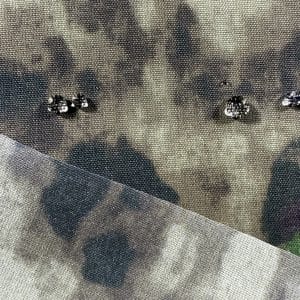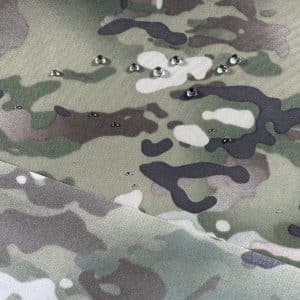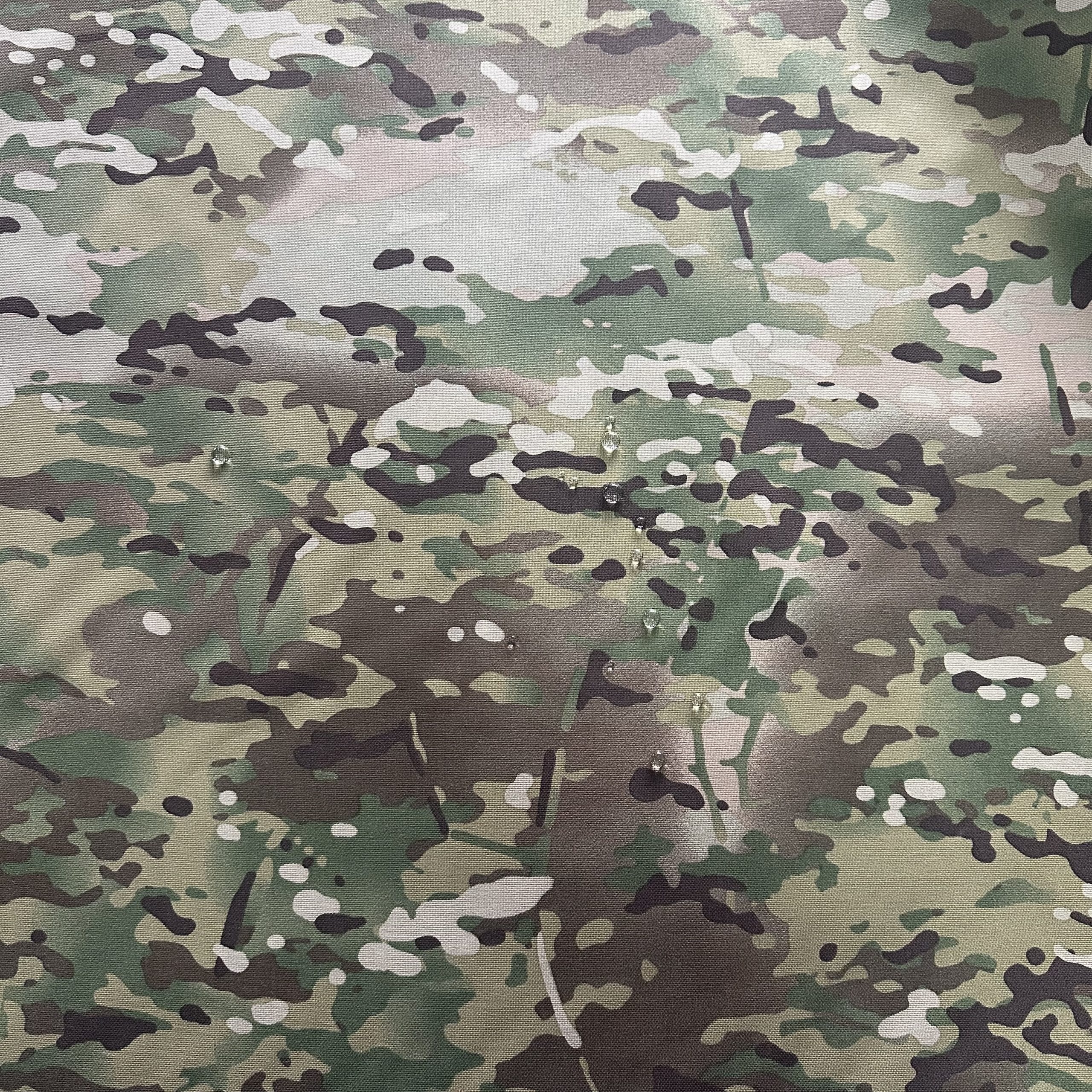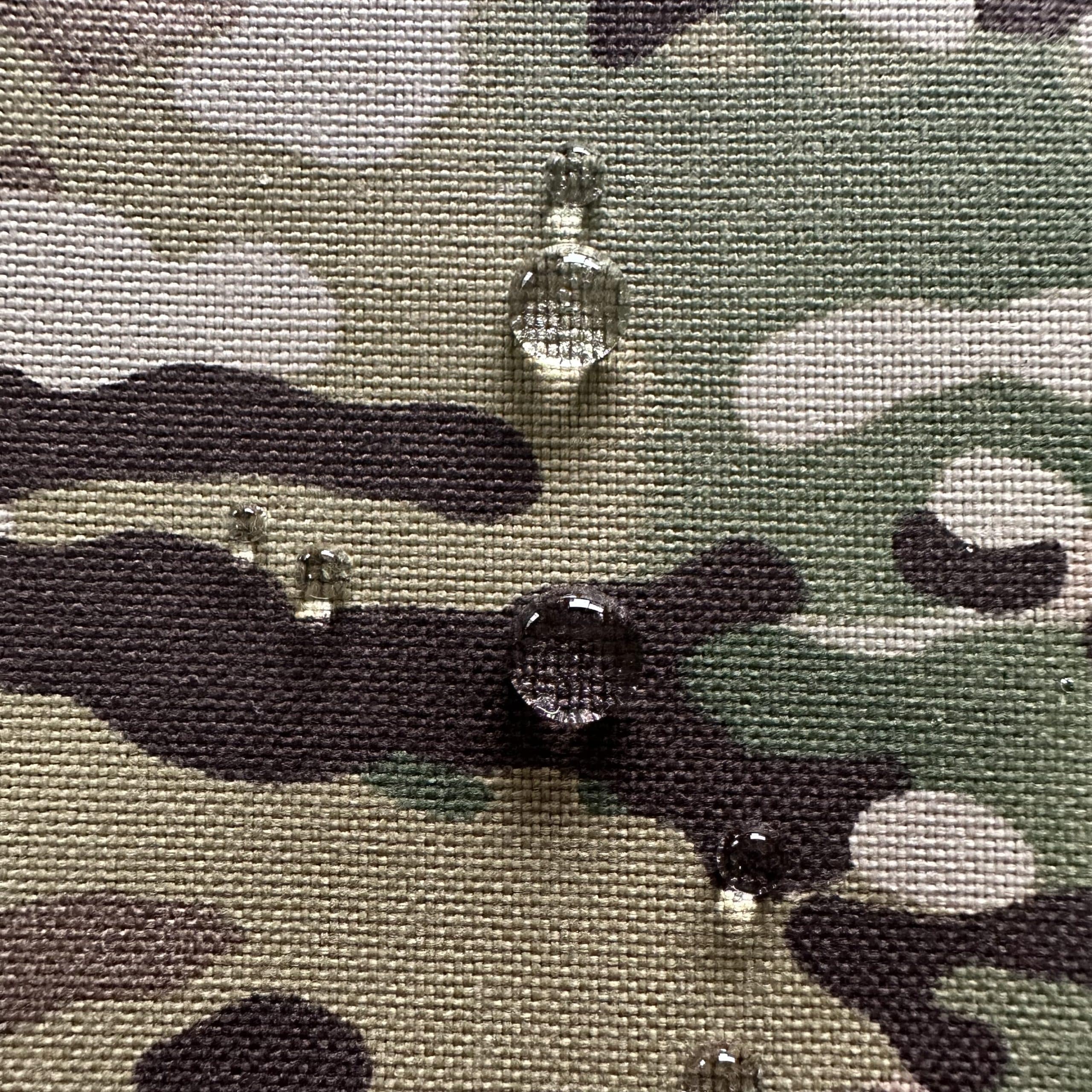

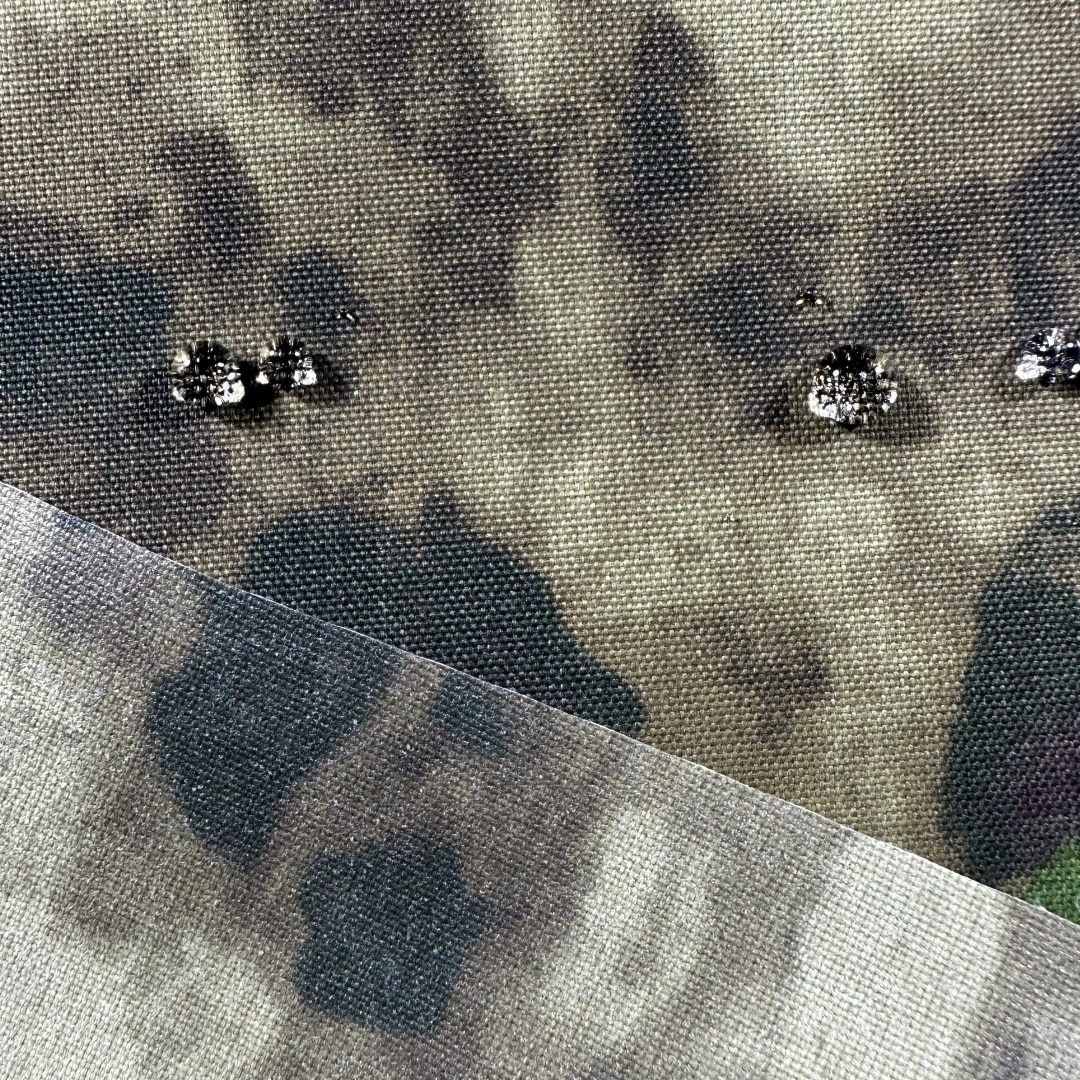
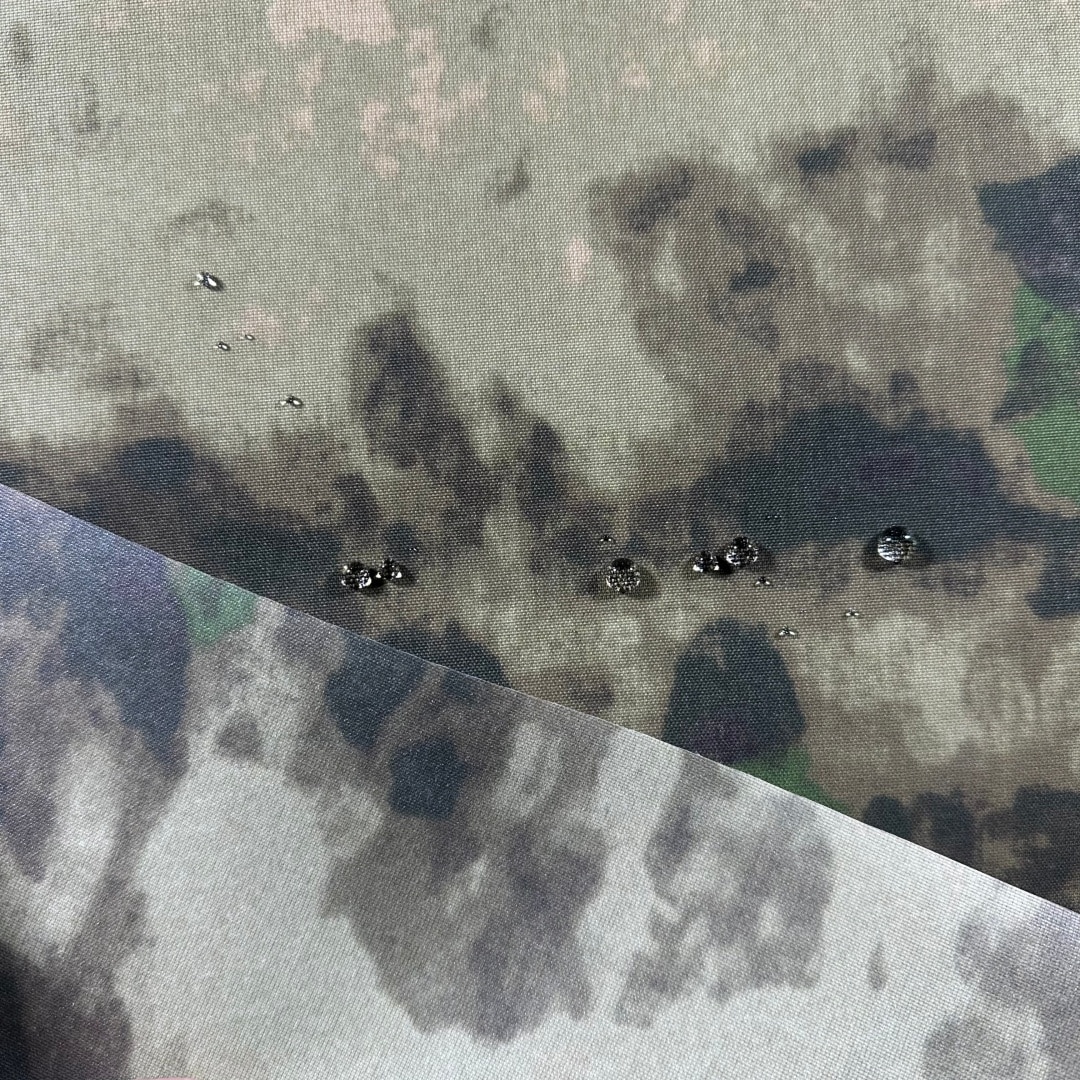
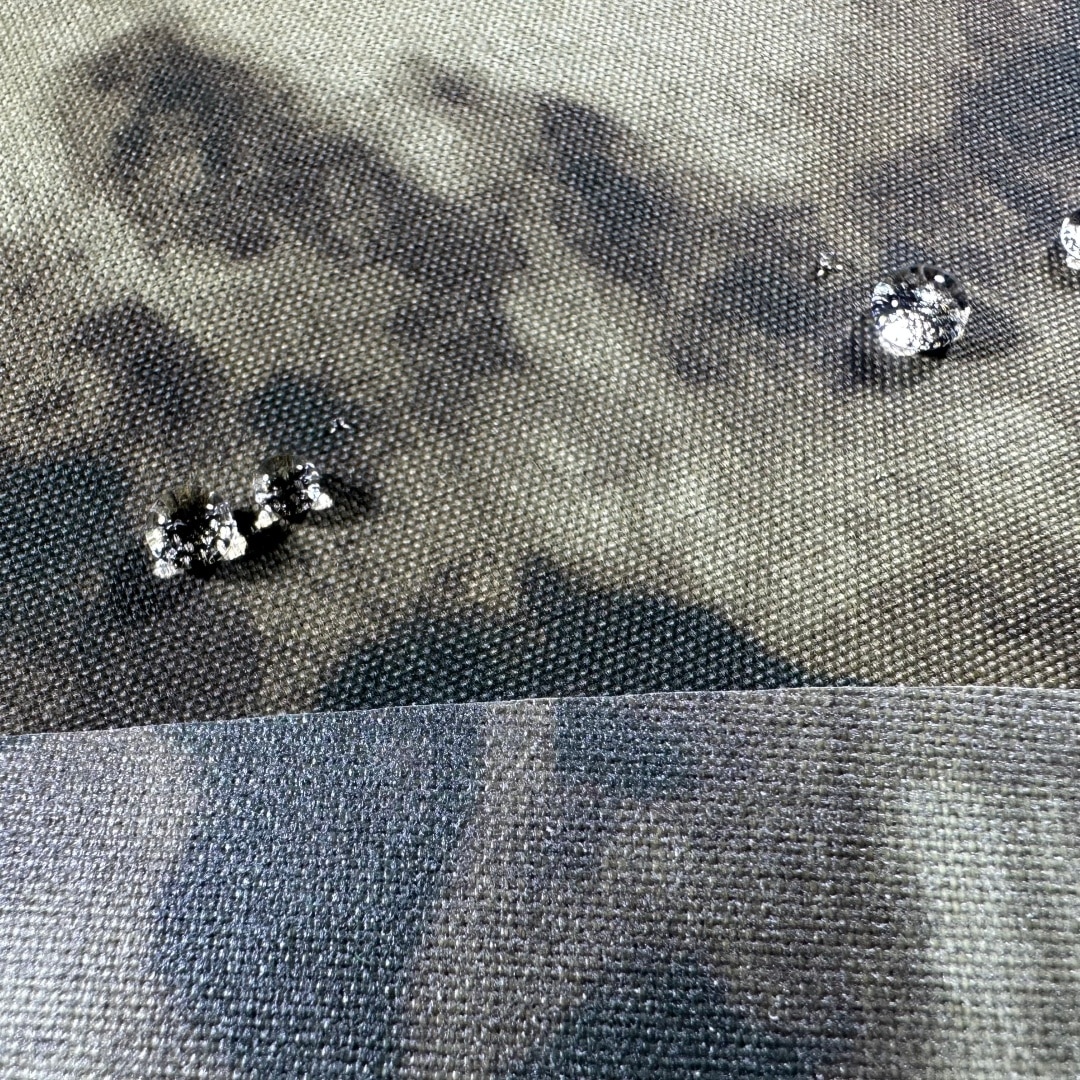
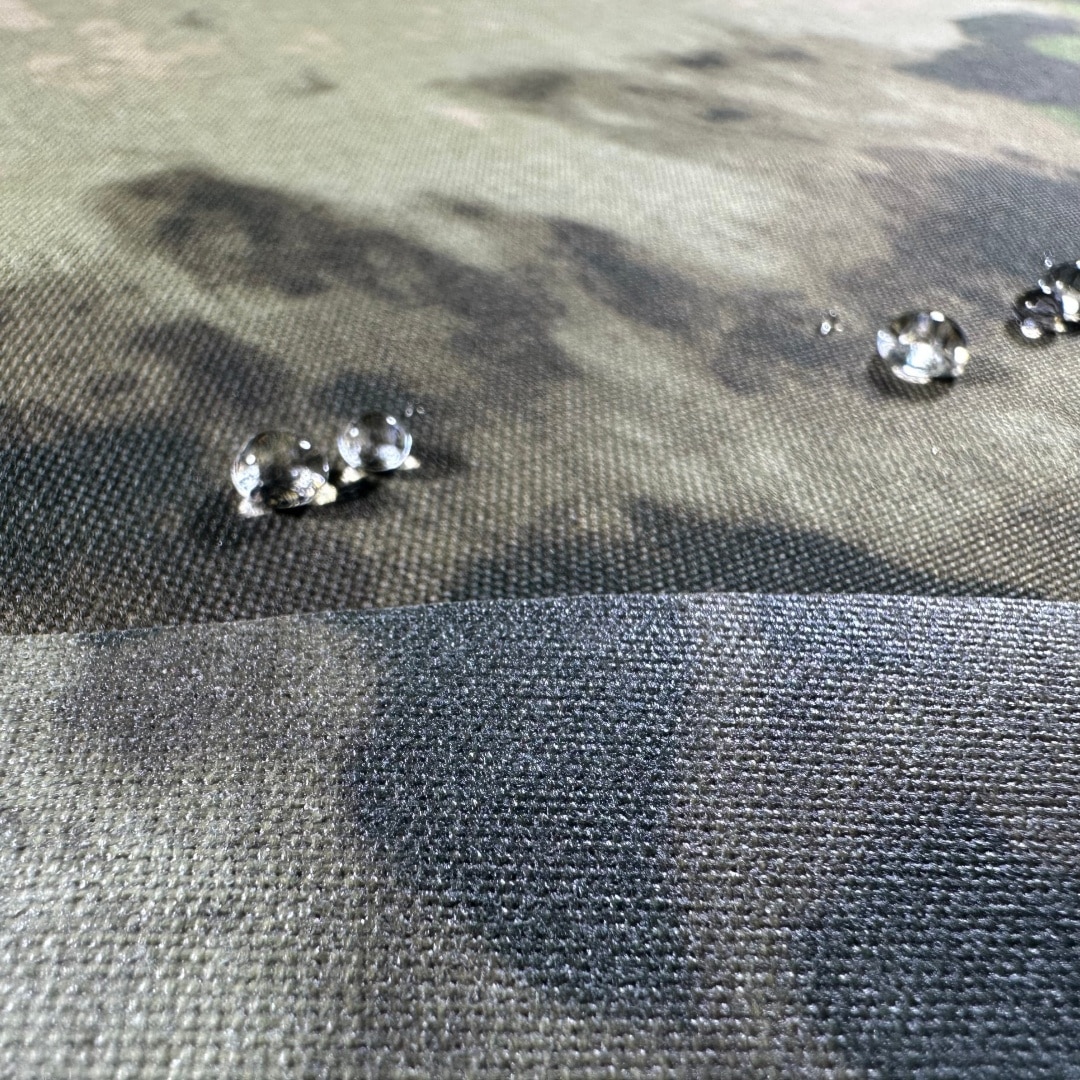
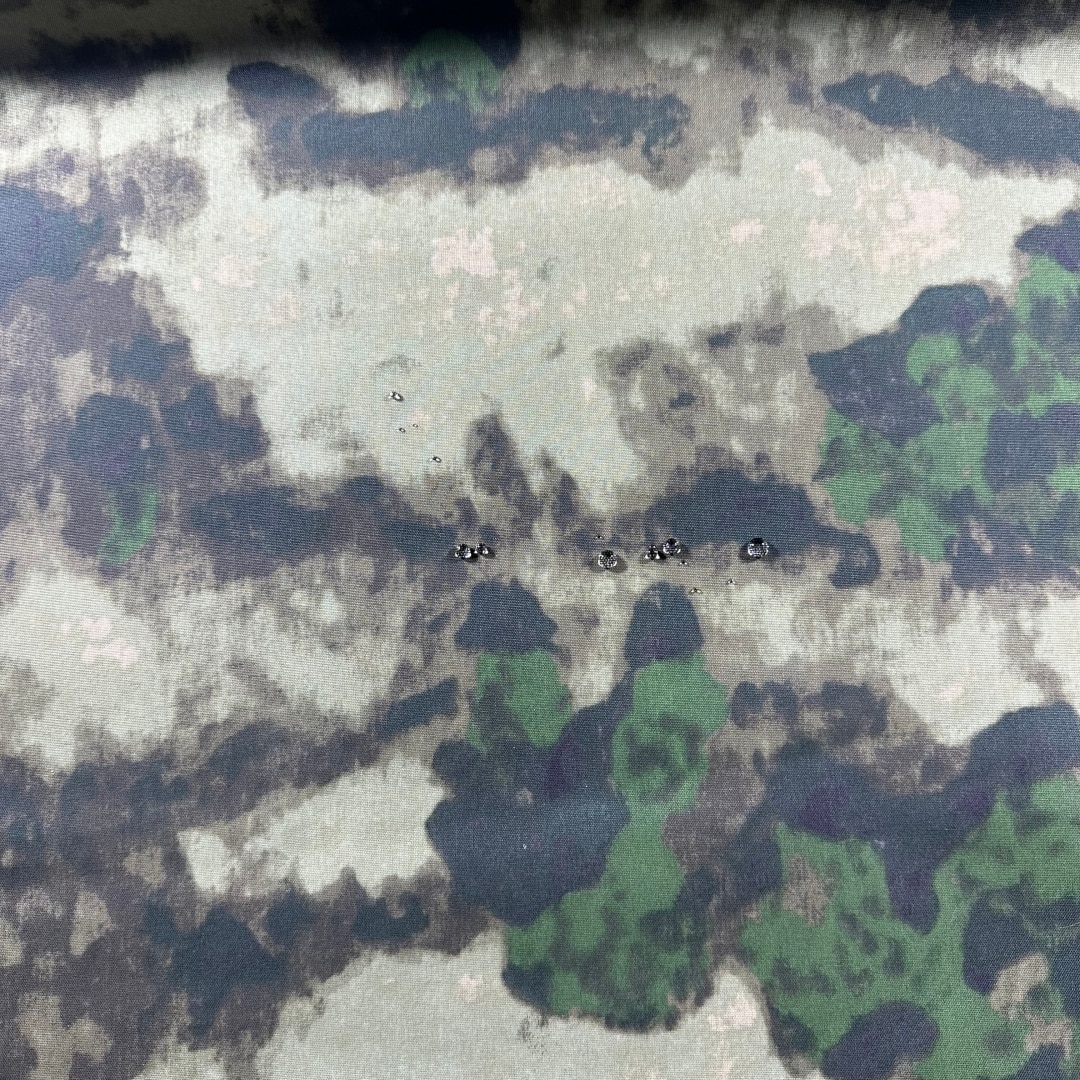
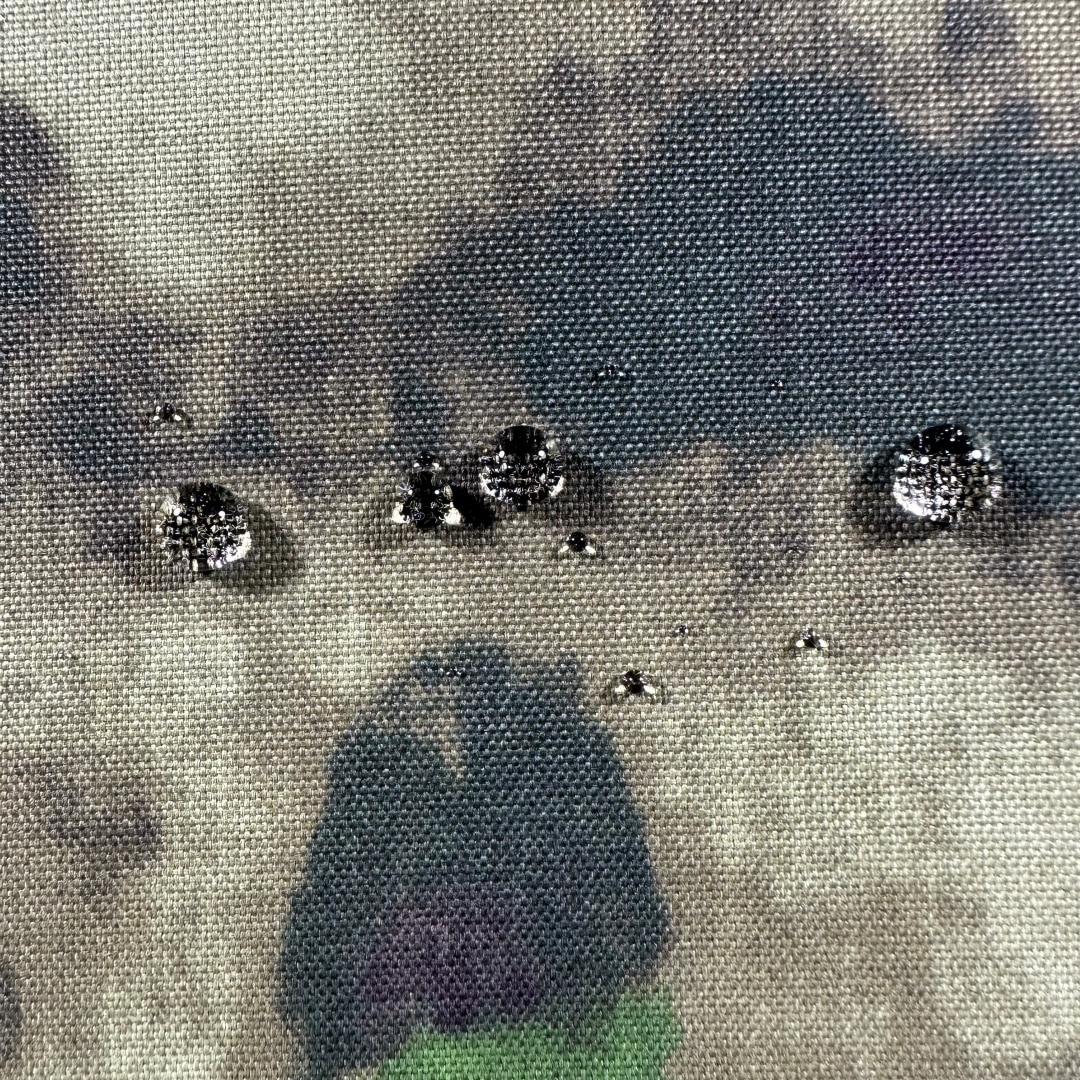
This 330D nylon Cordura-style fabric is designed for tactical applications where field concealment, abrasion resistance, and weather protection are critical. The fabric features MOX Green Foliage Macro camouflage with IRR/NIR reduction finishing, helping reduce visibility under near-infrared observation (IRR test report available on request).
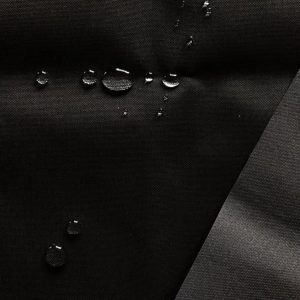
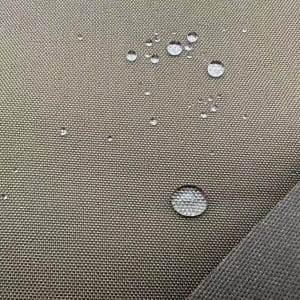
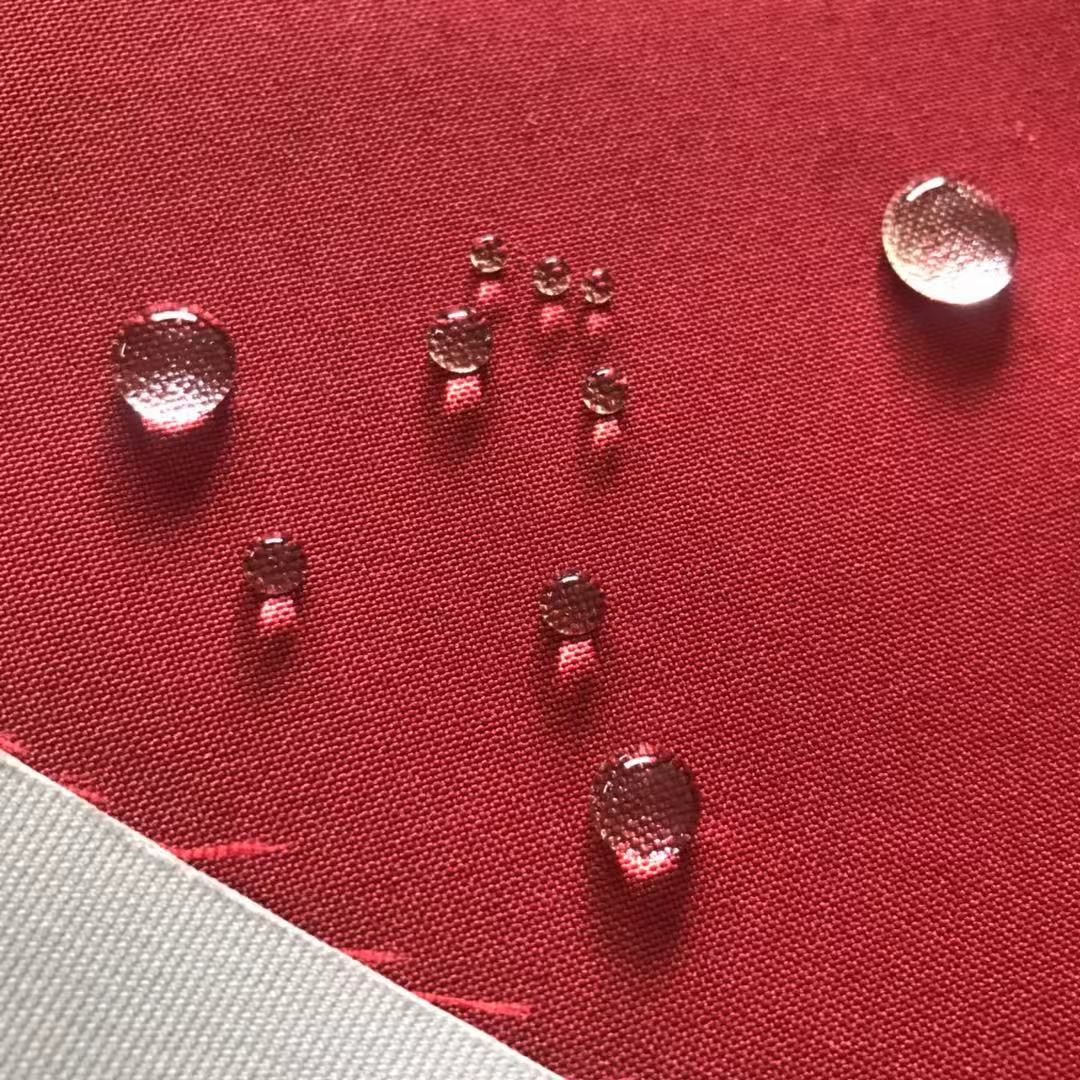
A PU coated backing improves water resistance and adds structure for clean cutting and sewing in gear production. Optional DWR on the face side enhances water beading and helps keep the fabric surface cleaner in wet, muddy environments. Consistent print registration and stable shade control make it suitable for repeat orders and uniform-looking production runs.
Typical Applications
Tactical backpacks, MOLLE pouches, plate carrier accessories
Rifle bag / duffel bag / utility bag
Outdoor packs, rain covers, rugged equipment bags
Uniform accessories, protective gear components
Customization Options
Waterproof level: 3000 mm
PU coating: PU*2 Times Coating
DWR: optional (C0/C6 as required)
Anti-mildew / UV / FR / higher IRR level: available upon request
Width, weight, handfeel: adjustable by construction & coating
Material: 100% Nylon (Cordura-style high tenacity)
Denier: 330D
Weave: Plain weave
Finish: IRR camouflage print + PU coating DWR
Coating Type: PU 2 Times Coating
Width: 57/58″ (145–148 cm)
Weight: ~200 gsm
Handfeel: Firm
MOQ: 500 meters per design
Supply Form: Roll packing, export standard
| Item | Typical Spec | Test Method |
|---|---|---|
| Composition | 100% Nylon | — |
| Yarn | 330D × 330D ATY | — |
| Weave | Plain | — |
| Width | 145–148 cm | ASTM D3774 / internal |
| Weight | 200 gsm | ASTM D3776 |
| Coating | PU*2 | — |
| DWR (optional) | Water repellency finish | AATCC 22 |
| Waterproof (Hydrostatic Head) | 3,000 mm | ISO 811 |
| Spray Rating (if DWR) | Grade 4–5 | AATCC 22 |
| Tensile Strength (Warp/Weft) | ≥ 1500N / 1000 N | ISO 13934-1 |
| Tear Strength (Warp/Weft) | ≥ 30N / 30 N | ISO 13937-3 |
| Abrasion Resistance | 80,000 cycles | ISO 12947 |
| Colorfastness to Rubbing (Dry/Wet) | Grade 5 / 5 | ISO 105-X12 |
| Colorfastness to Washing | Grade 4–5 | ISO 105-C10 |
| IRR (NIR Reduction) | report on request by mill | |
| Appearance | MultiCam-style camo |
Polyester Oxford fabric is a variant of traditional Oxford fabric, but it is made primarily from polyester fibers rather than cotton. The result is a fabric that retains many characteristics of classic Oxford, like its durable, textured basketweave pattern, but with additional benefits from the polyester material. Here's a closer look at polyester Oxford fabric:
Key Features of Polyester Oxford Fabric:
Durability: Polyester Oxford is even more durable than cotton-based Oxford fabric. Polyester is a strong and resilient synthetic fiber, making the fabric resistant to wear and tear, shrinking, and stretching. This makes it ideal for items that need to withstand heavy use, such as outdoor gear, luggage, backpacks, and uniforms.
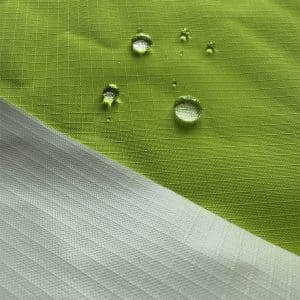
Water-Resistant: Polyester has water-repellent qualities, and Oxford fabric made from polyester can often be treated with water-resistant coatings. This makes it suitable for outdoor products like tents, rain jackets, and protective covers.
Lightweight: Polyester Oxford is generally lighter than other fabrics like canvas, which makes it an excellent choice for products that require strength without adding bulk, such as bags or lightweight jackets.
Low Maintenance: Unlike cotton, which may wrinkle or require more frequent ironing, polyester Oxford fabric is low maintenance. It resists wrinkles, fading, and staining and dries quickly, making it a popular choice for products that need to be practical and easy to care for.
Breathability: While polyester is not as breathable as cotton, modern treatments and weaves can make polyester Oxford fabric more breathable than pure polyester alone. It needs to be more breathable than natural fabrics, so it's often used for items like bags, rain gear, and outdoor equipment rather than close-fitting garments.
The EN 20471 standard is a European standard that specifies the requirements for high-visibility clothing. It is primarily aimed at ensuring the safety of workers exposed to hazardous environments. This standard outlines the design, performance, and test methods for garments that enhance visibility in various conditions, such as low light or poor weather.
Critical aspects of the EN 20471 standard include:
This standard is commonly applied in industries such as construction, roadwork, and emergency services, where visibility is critical for safety.
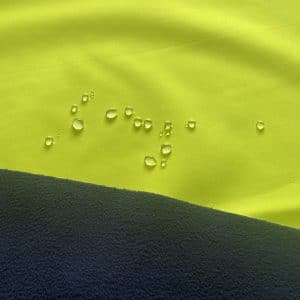
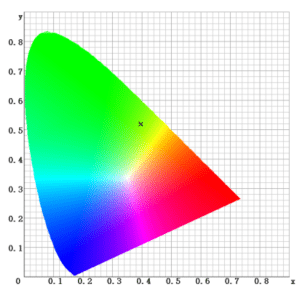
Hi-vis yellow color fabric EN20471
Chromaticity and Luminance Factor: β:1.09 x:0.39 y:0.52
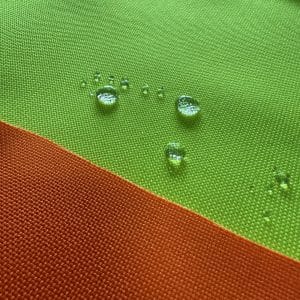
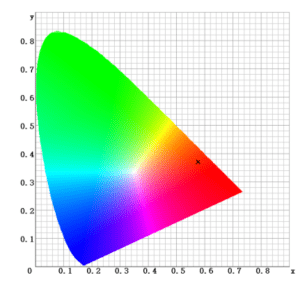
Hi-vis orange color fabric RIS TOM
Chromaticity and Luminance Factor
β:0.51 x:0.57 y:0.37
The EN 343 standard is a European standard that specifies the requirements for protective clothing against rain and foul weather. It is primarily designed for clothing worn in wet and inclement conditions, ensuring that the wearer remains dry and comfortable. Here are some critical points about EN 343:
Performance Requirements: EN 343 defines the performance criteria for materials used in protective clothing, focusing on waterproofness and breathability.
Classification: The standard classifies garments into different categories based on their levels of water resistance and breathability, helping users select appropriate gear for various environmental conditions.
Testing Methods: It outlines specific testing methods to evaluate the materials' waterproofness (measured in mm of water column) and breathability (measured in g/m²/24h).
Durability: The standard also addresses the materials' durability, ensuring that the protective clothing can withstand wear and tear while maintaining its waterproof and breathable properties.
Applications: EN 343 is relevant for many industries, including construction, agriculture, emergency services, and any outdoor work where exposure to wet weather is a concern.
Overall, garments that meet the EN 343 standard provide essential protection for individuals working in challenging weather conditions, ensuring safety and comfort.
The EN 343 standard classifies protective clothing for waterproofing and breathability based on two key performance indicators: waterproofness and breathability. The specific classifications are as follows:
Waterproofness Levels:
Class 1: Water column height above 8,000 Pa pre-treatment.
Class 2: Water column height above 8,000 Pa after treatment.
Class 3: Water column height above 13,000 Pa after treatment.
Class 4: Water column height above 20,000 Pa after treatment.
Breathability Levels:
Class 1: Breathability Ret>40.
Class 2: Breathability 25<Ret<=40.
Class 3: Breathability 15<Ret<=25
Class 4: Breathability Ret<=15
Garment Categories
EN 343 provides various categories of clothing suitable for different work environments and climatic conditions based on different combinations of waterproofness and breathability. This allows users to select appropriate protective clothing based on specific work requirements and environments.
Applications
This classification applies to various industries, including construction, agriculture, emergency services, and any field requiring work in adverse weather conditions.