
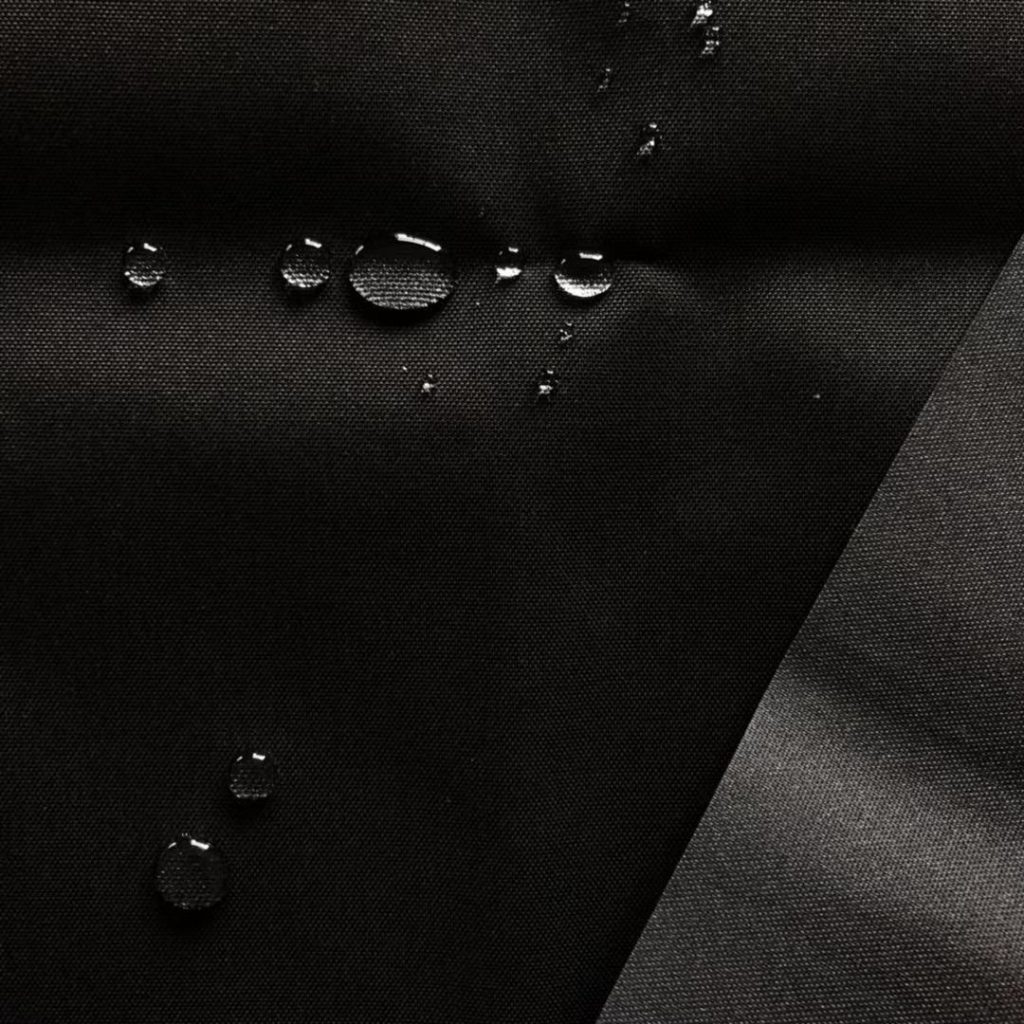
Cordura Fabric for Safety Wear: Why It’s a Smart Choice for Durable Workwear (PPE)
Safety wear isn’t just “work clothes.” It’s PPE-oriented workwear designed to survive harsh job sites, frequent washing, and daily abrasion—while still keeping workers comfortable and mobile. In many industries (construction, maintenance, logistics, mining, utilities, municipal services, landscaping, mechanical workshops), garments fail in predictable places: knees, elbows, shoulders, seat panels, pocket edges, and cuffs. That’s why many professional workwear brands reinforce these high-wear zones with Cordura-type high-tenacity nylon fabrics.
In this article, we’ll break down how Cordura fabric supports longer garment life, better tear resistance, and lower replacement costs, and how to specify the right Cordura solution for safety wear programs.
1) What Safety Wear Really Demands from Fabric
A good PPE/workwear fabric must perform in several ways at the same time:
- High abrasion resistance for kneeling, crawling, climbing ladders, and carrying tools
- Strong tear resistance against snagging on metal edges, rebar, wire, nails, and rough surfaces
- Durability after repeated washing (many safety garments are industrial-laundered)
- Comfort & mobility so workers can move freely and stay productive
- Weather adaptability (wind, light rain, cold, changing outdoor conditions)
- Compatibility with safety features such as reflective tapes, Hi-Vis panels, anti-static, or FR systems
- Easy maintenance (stain resistance, easy-clean finishes, stable appearance)
The most efficient approach is often: comfortable main body fabric + Cordura reinforcement panels at the high-wear zones.
2) Why Cordura Fabric Works So Well for Safety Wear
“Cordura” is widely used in the industry to describe high-tenacity nylon fabrics engineered for abrasion and tear resistance, often with optimized weaving structures and optional coatings/lamination. For safety wear applications, the benefits are very practical:
A. Longer Wear Life in High-Friction Zones
Knees and elbows see constant abrasion. Pocket edges and tool loops rub against hardware and tools. Shoulder areas grind under backpack straps and harnesses. Compared with standard fabrics, Cordura-type nylon reinforcement helps reduce early failure, such as pilling, thinning, and holes, extending garment service life.
B. Better Tear Control When Snagging Happens
A snag on a sharp corner can turn a small pull into a long rip. Cordura structures are commonly chosen because they hold up better under tear stress, reducing the risk of “one snag = ruined garment.”
C. Multiple Denier Options = Practical Weight vs Strength Control
Safety wear doesn’t always need the heaviest fabric everywhere. You can choose the denier to match the use conditions:
- 330D: lighter, more flexible, good for mobility-focused garments or moderate reinforcement
- 500D: a popular balance for workwear reinforcement (durability + manageable weight)
- 1000D: maximum toughness for extreme abrasion areas, tool pockets, heavy-duty reinforcement
D. Easy to Add Protection Finishes and Coating Systems
Depending on the job site and environment, Cordura fabric can be supplied with:
- PU / TPU coating for improved water resistance, structure, and durability
- DWR (durable water repellent) for light rain and easy cleaning
- Lamination (2L/3L structures) to add windproofing, waterproofing, and breathability
- Stain/oil / soil-resistant finishes to reduce maintenance and improve appearance
Note: final performance always depends on the complete material system and testing method. If your customer has a target standard or test protocol, confirm it early and develop the fabric accordingly.
3) Typical Cordura Fabric Constructions for Safety Wear
Option 1: Main Body Comfort Fabric + Cordura Reinforcement Panels (Most Common)
This is the standard solution for professional PPE workwear lines:
- Main body: comfortable and breathable fabric suitable for daily wear
- Reinforcement: Cordura panels on knees, elbows, seat, shoulders, pocket edges, cuffs, hems
Advantages: strong durability upgrade without making the whole garment heavy or stiff, and overall cost is easier to control.
Option 2: Cordura as the Outer Shell for Heavy-Duty Jackets / Overalls
For harsh outdoor work or continuous abrasion conditions, Cordura can be used as the shell fabric, combined with:
- Lining fabrics (mesh, tricot, fleece)
- Lamination membranes for wind/rain protection
- Garment engineering (storm flaps, adjustable cuffs, seam sealing if required)
Option 3: Cordura + Hi-Vis Systems for Industrial Safety Programs
Hi-Vis garments often use fluorescent fabrics plus reflective tapes. Cordura reinforcement can be applied to high-wear edges (sleeve ends, lower hems, shoulder strap zones, pocket edges) to help garments stay presentable and functional longer.
4) How to Select the Right Cordura Fabric for Safety Wear (Without Overspending)
Here’s a simple decision framework used by many workwear developers:
- Identify the abrasion points (knees? elbows? shoulder straps? tool pockets?)
- Select denier/weight based on the job intensity
- , light-to-medium wear: 330D / 500D
- heavy wear and tool friction: 500D / 1000D
- Decide the finish system
- water resistance needed? Is PU/TPU coating or lamination
- easy cleaning important? Stain/soil/oil repellent finish
- softness required? control coating thickness and weave structure
- Confirm testing targets (abrasion method, tear method, wash durability)
- Match MOQ and lead time with production reality (stock vs custom)
Used correctly, Cordura reinforcement is not “expensive fabric everywhere”—it’s a strategic fabric placement that increases garment value and reduces replacement frequency.
5) Buyer Checklist: What to Ask When a Customer Requests “Cordura for Safety Wear.”
When you receive an inquiry, these questions help you move quickly from vague request to a quote-ready specification:
- What garment type? trousers/jackets/coveralls/vests/tool pockets?
- Outdoor or indoor use? Rain/wind exposure?
- Which reinforcement zones are required? Knees / elbows / seat / shoulders / cuffs / pocket edges?
- Target handfeel: soft & flexible or stiff & structured?
- Coating/lamination needed? PU/TPU / 2L / 3L? Seam sealing required?
- Color requirement: fluorescent/dark / custom color? Colorfastness targets?
- Testing method: Which abrasion, tear, and wash standards does the buyer use?
- Order model: stock/custom weaving/custom dyeing/custom finishing? MOQ and lead time?
These details protect you from “apples-to-oranges” price comparisons and make your offer look more professional.
FAQ: Cordura Fabric for Safety Wear
1) Is Cordura best for the whole garment or just reinforcement?
For most PPE workwear, reinforcement panels are the best value—strong abrasion protection where it matters without making the entire garment heavy or stiff. Full Cordura shells are used for heavy-duty outerwear and extreme conditions.
2) How do I choose between 330D, 500D, and 1000D?
- 330D: lighter and more flexible, good for mobility-first designs
- 500D: the most balanced choice for workwear reinforcement
- 1000D: maximum durability for tool pockets or extreme abrasion zones
3) Does Cordura fabric automatically mean waterproof?
Not automatically. Water resistance depends on finishing, such as PU/TPU coating or lamination. If you need waterproof + breathable performance, a membrane structure is often required.
4) Can Cordura be used in FR or anti-static safety wear?
Cordura reinforcement can be integrated into FR/anti-static garment systems, but final compliance depends on the complete material package and testing. Always confirm the required standard and test accordingly.
5) Will Cordura make the garment uncomfortable?
High-denier fabrics and thick coatings can feel stiff. A common solution is to use Cordura only in high-wear zones and select a softer structure/coating for comfort-critical areas.
6) How does industrial laundering affect Cordura performance?
Repeated washing can reduce some surface finishes (like DWR) over time. Fabric selection should consider wash durability, and performance should be verified under the buyer’s washing conditions.
7) What reinforcement sewing details improve durability?
Common best practices include bar tacks on stress points, reinforced seams, edge binding, durable sewing thread, and well-designed panel shapes to reduce stress concentration.
8) My buyer only says “Cordura.” How can I avoid being forced into price competition?
Turn the request into a clear spec: denier, weight, weave, finish/coating/lamination, color, and test method. Once the specification is defined, your price becomes defensible—and the buyer can’t easily compare it to a lower-grade fabric.
Contact Us for a Detailed Offer:
Company: Lean Textile Co., Ltd.
Website: https://www.safety-wear.com
Email: [email protected]